Through Education and Empowerment
Executive Summary
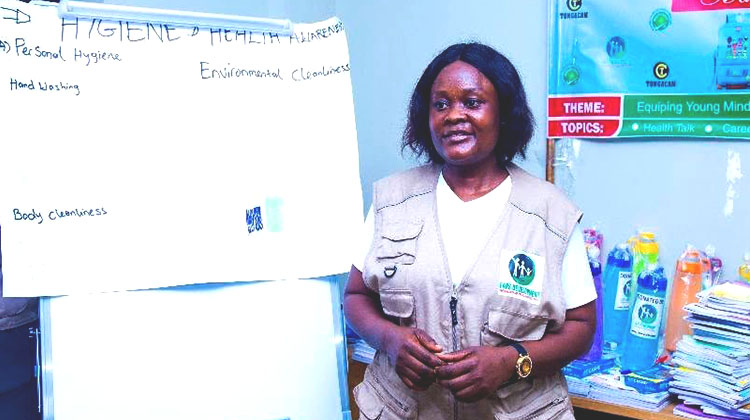
FAPS-DEV (Fighting Against Poverty for Sustainable Development.) is committed to improving the health and well-being of less privileged communities through our comprehensive Health Advocacy and Training Program. Recognizing that health is a fundamental pillar of sustainable development, this program is designed to educate individuals and communities on preventive healthcare, disease management, hygiene practices, and health rights. Our aim is to equip participants with the knowledge and skills they need to make informed health decisions, prevent illness, and advocate for better health services in their communities. By addressing critical health challenges such as malaria, poor sanitation, malnutrition, and limited access to healthcare information, we empower individuals to lead healthier lives and contribute to stronger, more resilient communities.
Project Objectives
- Health Education: Equip participants with accurate, practical knowledge about preventable diseases, nutrition, hygiene, and reproductive health.
- Disease Prevention: Promote preventive measures to reduce the incidence of common illnesses such as malaria, cholera, and respiratory infections.
- Community Health Advocacy: Train community health champions who can advocate for better health services and raise awareness within their own communities.
- Behavioral Change: Encourage positive health-seeking behaviors and the adoption of healthy lifestyle practices.
- Sustainability: Integrate locally available, low-cost, and environmentally sustainable health practices to ensure long-term community well-being.
Needs Assessment
To effectively address the health challenges in the communities we serve, FAPS-DEV conducted a thorough needs assessment. Key findings highlighted the following:
- High Prevalence of Preventable Diseases: Malaria, typhoid, and diarrheal diseases remain leading causes of illness and death, particularly among children and pregnant women, due to limited preventive measures.
- Poor Sanitation and Hygiene Practices: Inadequate access to clean water, poor waste disposal, and lack of proper handwashing facilities contribute to frequent disease outbreaks.
- Limited Health Literacy: Many community members lack basic knowledge about disease transmission, nutrition, family planning, and maternal health, leading to poor health outcomes.
- Inadequate Access to Healthcare Services: Distance to health facilities, high costs, and lack of health insurance prevent many individuals from seeking timely medical care.
- Malnutrition: High rates of malnutrition, especially among children under five, due to limited knowledge of balanced diets and food preservation techniques.
These findings underscored the urgent need for a targeted health advocacy and training program that would empower individuals with the knowledge and skills to protect their health and advocate for better community health services.
Training Curriculum
The Health Advocacy and Training curriculum is designed to be comprehensive, practical, and culturally appropriate. It includes the following modules:
1. Preventive Healthcare and Disease Control
Malaria Prevention and Management:
- Understanding malaria: causes, transmission, and symptoms.
- Proper use of insecticide-treated mosquito nets (ITNs).
- Environmental management: eliminating stagnant water and breeding sites.
- Recognizing early symptoms and seeking prompt treatment.
- Adherence to malaria treatment protocols.
Water, Sanitation, and Hygiene (WASH):
- Importance of clean water and safe water storage practices.
- Proper handwashing techniques and their impact on disease prevention.
- Construction and maintenance of household latrines.
- Safe food handling and preparation to prevent foodborne illnesses.
- Community-led total sanitation initiatives.
Cholera and Diarrheal Disease Prevention:
- Understanding transmission routes (contaminated water/food).
- Oral Rehydration Solution (ORS) preparation and use.
- Emergency response to diarrhea outbreaks in communities.
2. Nutrition and Food Security
Balanced Nutrition:
- Understanding the food groups and their role in health.
- Meal planning using locally available, affordable foods.
- Nutritional needs for different life stages (children, pregnant women, elderly).
- Prevention and management of malnutrition in children.
Food Preservation and Storage:
- Techniques for preserving fruits, vegetables, and grains.
- Reducing post-harvest losses to improve food security.
- Safe storage to prevent contamination and pests.
3. Reproductive and Maternal Health
Maternal Health:
- Importance of antenatal care and skilled birth attendance.
- Danger signs during pregnancy and childbirth.
- Postnatal care for mothers and newborns.
Family Planning:
- Understanding contraceptive methods and their benefits.
- Counseling on birth spacing and reproductive rights.
- Access to family planning services.
Adolescent Reproductive Health:
- Puberty and sexual health education.
- Prevention of sexually transmitted infections (STIs), including HIV/AIDS.
- Consent, healthy relationships, and gender-based violence awareness.
4. Chronic Disease Awareness and Management
Non-Communicable Diseases (NCDs):
- Understanding hypertension, diabetes, and heart disease.
- Risk factors: diet, physical inactivity, tobacco, and alcohol use.
- Prevention strategies and early detection.
- Adherence to treatment and lifestyle modifications.
Mental Health Awareness:
- Recognizing signs of stress, anxiety, and depression.
- Coping mechanisms and stress management techniques.
- Reducing stigma around mental health.
- When and where to seek help.
5. Health Advocacy and Community Leadership
Health Rights and Access:
- Understanding the right to health and available health services.
- Navigating the healthcare system.
- Advocacy skills for demanding better health services.
Community Health Champions Training:
- Identifying community health needs and priorities.
- Effective communication and health messaging skills.
- Organizing community health education sessions.
- Reporting health issues to relevant authorities.
Training Methods
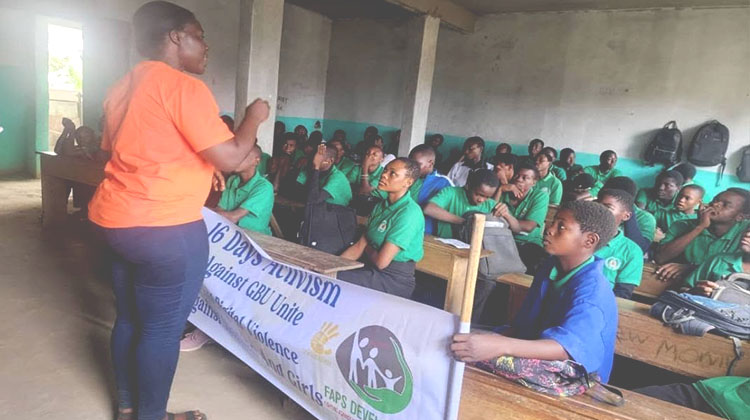
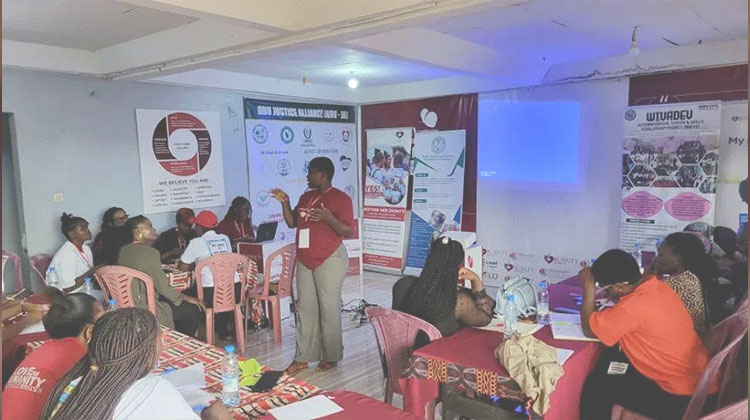
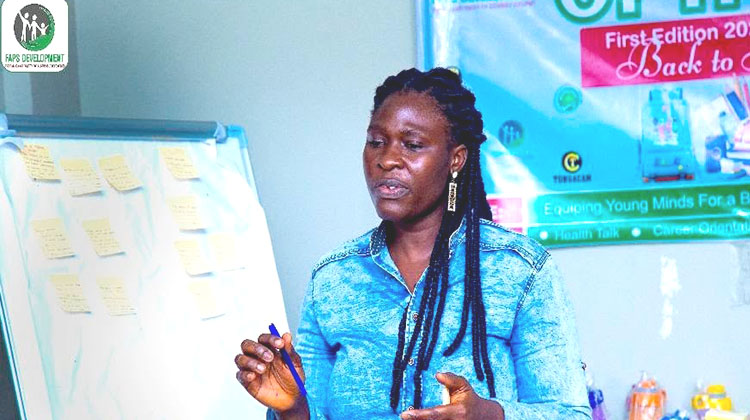
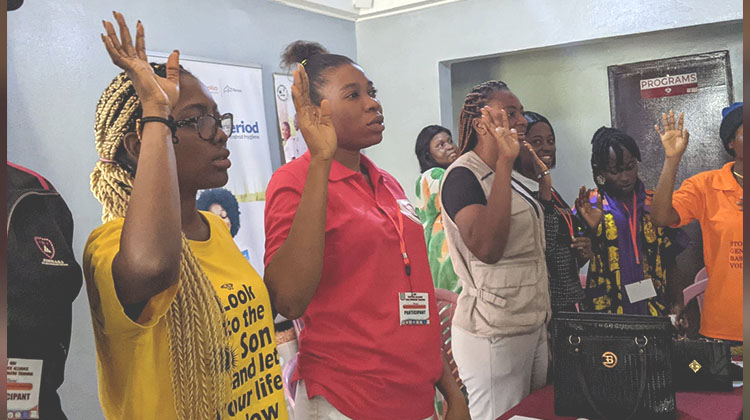
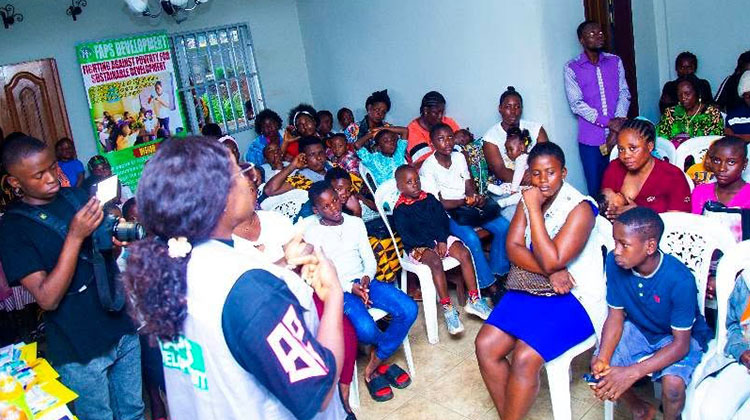
Our training methods are designed to be interactive, participatory, and practical to ensure that participants can apply what they learn in their daily lives. Key methods include:
- Workshops and Interactive Sessions: Facilitated discussions, lectures, and Q&A sessions with health professionals.
- Demonstrations and Practical Exercises: Hands-on practice of skills such as handwashing, ORS preparation, and mosquito net hanging.
- Group Discussions and Role-Playing: Encouraging peer learning and practicing advocacy messages.
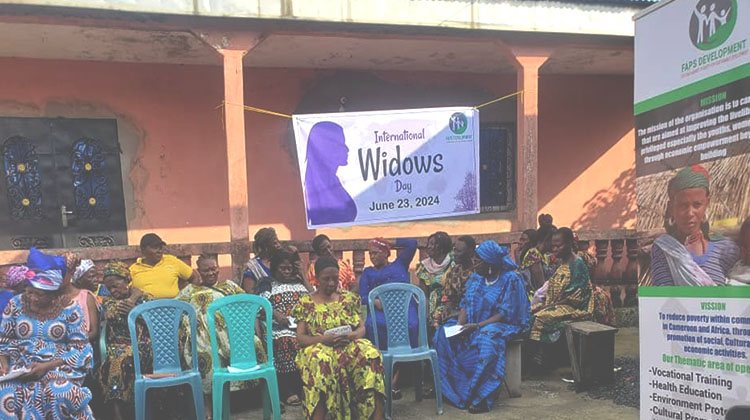
- Community Outreach and House-to-House Visits: Participants practice health education in real community settings.
- Use of Visual Aids and Locally Relevant Materials: Posters, flip charts, and translated materials to enhance understanding.
- Mobile Health (mHealth) Tools: Use of SMS and voice messages for health reminders and information dissemination.
Evaluation and Assessment
To measure the effectiveness of our Health Advocacy and Training Program, we will implement a robust evaluation framework that includes:
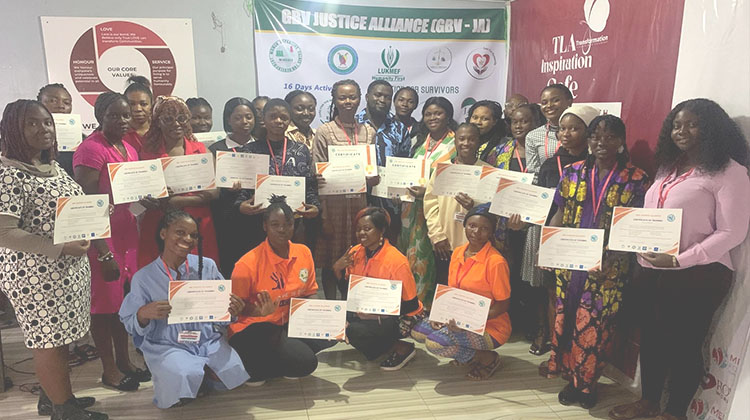
- Pre- and Post-Training Assessments: Evaluating participants’ knowledge and attitudes before and after training to measure learning gains.
- Practical Demonstrations: Assessing participants’ ability to correctly perform health practices (e.g., proper handwashing, ORS preparation).
- Feedback Mechanisms: Collecting participant feedback to identify strengths, areas for improvement, and curriculum adjustments.
- Community Impact Surveys: Conducting follow-up surveys in participants’ communities to measure changes in health behaviors (e.g., increased bed net use, improved sanitation).
- Health Outcome Monitoring: Tracking reductions in reported cases of malaria, diarrhea, and malnutrition in target communities.
Risk Management
Identifying and mitigating potential risks is essential for the success of our program. Key risks include:
| Low Community Participation | Engage community leaders early, conduct awareness campaigns, and offer incentives such as health kits. |
| Cultural Beliefs and Resistance | Work with local influencers and traditional healers to align messaging with cultural contexts. |
| Limited Access to Health Facilities | Partner with local clinics and mobile health units to bring services closer to communities. |
| Sustainability of Behavioral Change | Establish community health committees to reinforce messaging and monitor progress. |
| Resource Constraints | Partner with health ministries, NGOs, and corporate sponsors for supplies and funding. |
Sustainability Plan
Ensuring the long-term sustainability of the Health Advocacy and Training Program is critical for its success. Our sustainability plan includes:
- Community Ownership: Involving community members in program planning and implementation to foster ownership and commitment.
- Training of Trainers (ToT): Equipping selected participants to become trainers who can continue health education within their communities.
- Health Clubs and Committees: Establishing school-based and community-based health clubs that continue activities independently.
- Partnerships: Collaborating with local health centers, government health agencies, and international NGOs for ongoing technical and material support.
- Income-Generating Activities: Integrating small-scale income-generating projects (e.g., soap-making, vegetable gardening) to fund health activities and promote economic well-being alongside health.
- Continuous Learning: Updating the curriculum regularly based on emerging health threats (e.g., new disease outbreaks) and community feedback.
Conclusion
The Health Advocacy and Training Program at FAPS-DEV is a vital intervention aimed at transforming health outcomes and saving lives in underserved communities. By equipping individuals with health knowledge, practical skills, and advocacy tools, we empower them to take control of their well-being, prevent diseases, and demand better healthcare services. Our comprehensive approach, grounded in community engagement, cultural sensitivity, and sustainability, ensures that participants become lifelong advocates for health in their families and communities.
We invite you to join us in this life-saving mission. Whether you are a community member eager to learn, a health professional willing to volunteer, or a donor looking to make a tangible impact, your involvement is invaluable. Together, we can build healthier communities where everyone has the opportunity to thrive. Join FAPS-DEV’s Health Advocacy and Training Program today, and be a champion for health in your community!
Fonkem Bernda Nanjai
Founder & Executive Director
FAPS-DEV (Fighting Against Poverty for Sustainable Development.)
Mile 18 road Wonya Mavio, Buea, Cameroon