Executive Summary
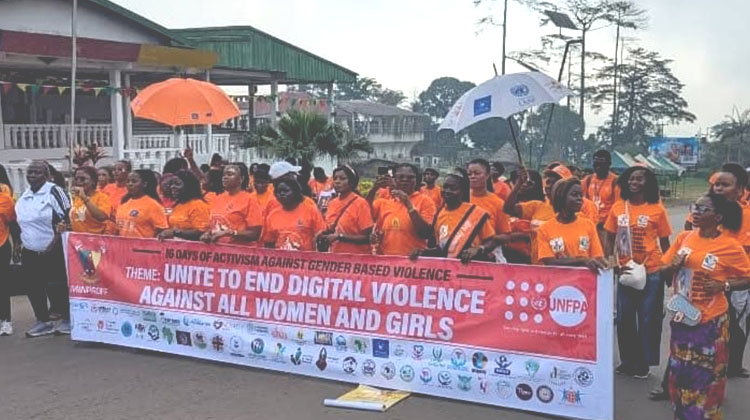
Violence against women in Cameroon has reached a critical level, with nearly 40% of women having experienced physical, sexual, or psychological abuse. This crisis is compounded by discriminatory laws, weak enforcement, and a lack of support services for survivors. FAPS-DEV is committed to addressing this urgent issue through a comprehensive program that provides direct support to survivors, empowers women economically, and advocates for legal and social change. This program aims to break the cycle of violence, restore the dignity and autonomy of women, and contribute to building a safer, more just society in Cameroon. We invite sponsors to partner with us in this life-saving mission.
The Challenge: A Deepening Crisis
Despite 15 years of government promises, violence against women remains widespread in Cameroon. The problem is systemic and deeply rooted in social norms and legal structures:
- Staggering Prevalence: Nearly 4 in 10 Cameroonian women have suffered physical, sexual, or psychological abuse, with rates reaching 64% in the Centre Region. A recent report documented that 77 women were killed by their partners in 2024 alone, a figure believed to be significantly higher due to underreporting.
- Discriminatory Laws: Cameroon’s Civil Code still legally names husbands as the sole “heads of household,” giving them the power to control marital property, block their wives from working, or seize their earnings without consequence.
- Weak Legal Framework: Efforts to pass a comprehensive Family Code and a specific law against gender-based violence have been stalled for over 20 years, leaving survivors with few legal protections.
- Inadequate Support Services: There is a severe shortage of shelters, rehabilitation services, and legal aid for survivors, leaving many trapped in abusive situations with no safe way out.
These challenges are further intensified in conflict-affected regions like the Northwest and Far North, where the breakdown of social structures has led to a surge in GBV.
Program Objectives
- Immediate Protection and Support: Provide comprehensive psychosocial, medical, and legal support to survivors of gender-based violence.
- Economic Empowerment: Break the cycle of dependency that traps women in abusive relationships by providing vocational training and income-generating opportunities.
- Legal and Social Advocacy: Advocate for the swift adoption of the Family Code and a specific law against VBG, and work to change discriminatory social norms.
- Community Awareness and Prevention: Educate communities, including traditional and religious leaders, to challenge harmful norms and encourage the reporting of violence.
- Sustainability: Build local capacity to ensure that the program’s impact continues long after direct sponsorship ends.
Program Components (A Three-Pillar Approach)
Pillar 1: Survivor Support and Protection
This pillar ensures that women who have experienced violence receive immediate, confidential, and holistic care.
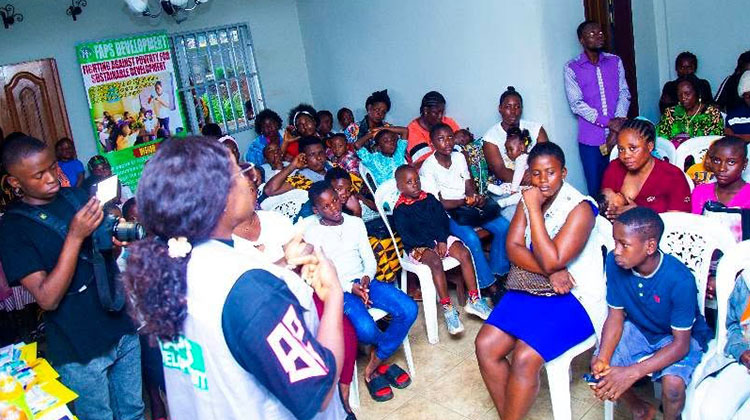
- Psychosocial Support & Counseling: Provide individual and group counseling to help survivors cope with trauma and rebuild their self-esteem.
- Medical Care & Referrals: Facilitate access to medical treatment for injuries and STIs, including HIV/AIDS, and provide referrals to specialist services.
- Legal Aid and Support: Offer paralegal services to guide survivors through the justice system, help them file complaints, and advocate for their rights.
- Safe Spaces & Shelters: Establish safe and confidential “safe spaces” and support for the creation of women’s support groups (like the “Progressive Friends” model) where women can find solidarity and protection.
- Self-Defense Training: Provide practical self-defense workshops to empower women to protect themselves in dangerous situations.
Pillar 2: Economic Empowerment and Independence
Economic dependency is a key factor that keeps women in abusive relationships. This pillar focuses on breaking that cycle.
- Vocational and Skills Training: Offer training in high-demand sectors like agriculture (e.g., cassava and cocoa processing), ICT, and sewing/artisanal crafts, enabling women to generate their own income.
- Micro-Enterprise and Business Support: Provide seed funding, grants, or micro-loans to help women start small businesses. This could also include support for “income-generating cooperatives”.
- Financial Literacy Training: Equip women with the skills to manage their finances, save, and plan for their economic future.
Pillar 3: Community Engagement, Advocacy, and Prevention
This pillar addresses the root causes of violence by changing mindsets and strengthening legal protections.
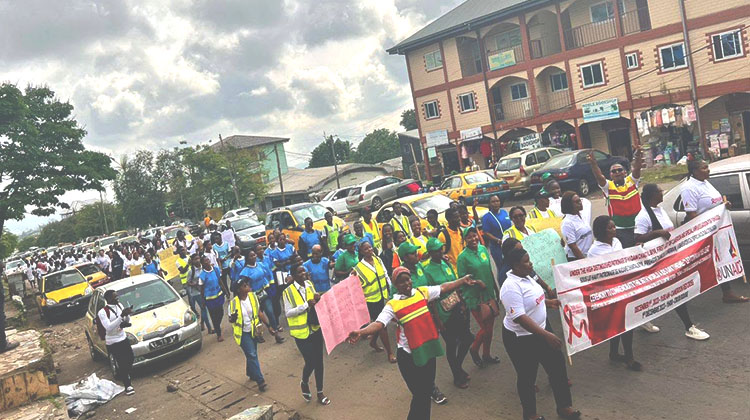
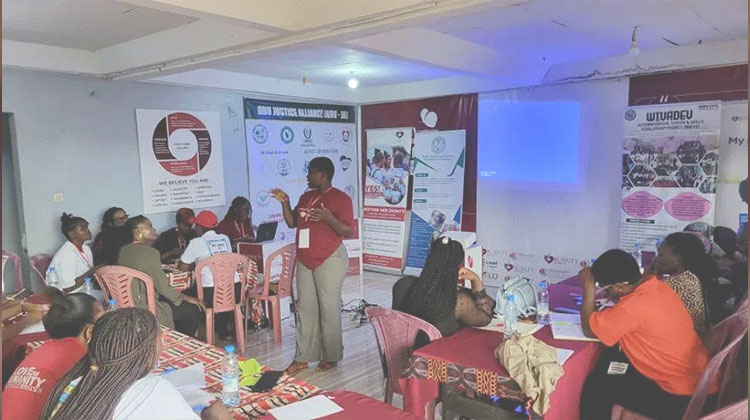
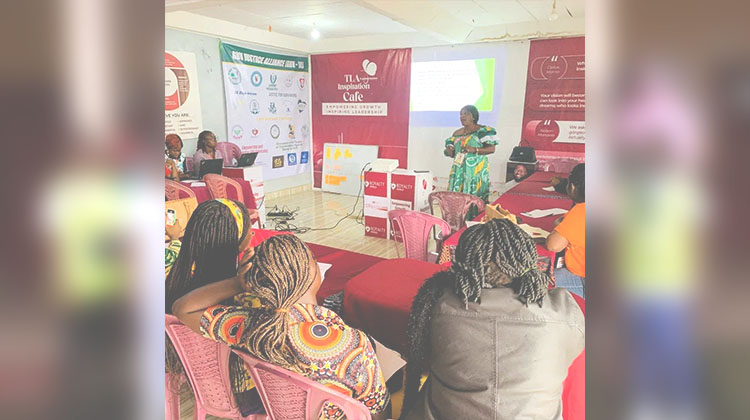
- Community Awareness Campaigns: Conduct workshops and community dialogues with men, women, traditional leaders, and religious leaders to challenge norms that justify violence and to educate on the forms and consequences of GBV.
- Engaging Traditional Authorities: Work with quarter heads and community leaders to train them as advocates against violence, teaching them how to support survivors and report cases. As one community leader pledged, “Violence does not demonstrate strength or authority”.
- Formation of Community Health Champions: Train community members to become health champions who can provide information on health, rights, and reporting mechanisms within their own communities.
- Advocacy for Legal Reform: Partner with the Réseau des Parlementaires pour la Promotion du Genre (REPAGE) and other stakeholders to pressure the government to finally pass the Family Code and the law against VBG.
Target Beneficiaries
- Direct Beneficiaries (Year 1): 250 women and girls who are survivors of or at high risk of violence.
- Indirect Beneficiaries (Year 1): An estimated 1,000 community members, including family members, community leaders, and youth who participate in awareness-raising activities.
Evaluation and Assessment
To ensure accountability and measure impact for sponsors, we will use a robust evaluation framework:
- Pre- and Post-Program Assessments: Measure changes in knowledge, attitudes, and economic status.
- Case Documentation: Confidential recording of the number of individuals supported and the types of assistance provided.
- Follow-Up Surveys: Track the long-term progress of survivors in terms of their safety, economic independence, and well-being.
- Community Feedback Mechanisms: Collect feedback from community members and leaders to adapt the program as needed.
Sustainability Plan
To ensure long-term impact, the program is designed to be sustainable:
- Community Ownership: Training community leaders and local champions (like the “Progressive Friends” support group) to continue the work independently.
- Alumni Network: Creating a network of empowered women entrepreneurs who can mentor new participants.
- Strategic Partnerships: Building on existing collaborations with the Ministry of Women’s Empowerment and the Family (MINPROFF), UNFPA, and other NGOs to ensure ongoing technical and material support.
Conclusion and Call to Action
FAPS-DEV’s program is not just an intervention; it is a commitment to a future where Cameroonian women can live free from violence. By focusing on a holistic, three-pillar approach, we will not only support survivors but also address the systemic factors that enable this crisis to continue. We call on you—sponsors, partners, and advocates—to join us in this transformative journey. Your financial and institutional support is the key to empowering women to break the cycle of violence, regain their independence, and build a safer, more equitable Cameroon.
Join FAPS-DEV’s fight against gender-based violence. Together, we can create lasting change.
Fonkem Bernda Nanjai Founder & Executive Director
FAPS-DEV (Fighting Against Poverty for Sustainable Development.) Mile 18 road Wonya Mavio, Buea, Cameroon 6 76 52 62 53 info@fapsdev.org Facebook-f X-twitter Instagram Vimeo-v