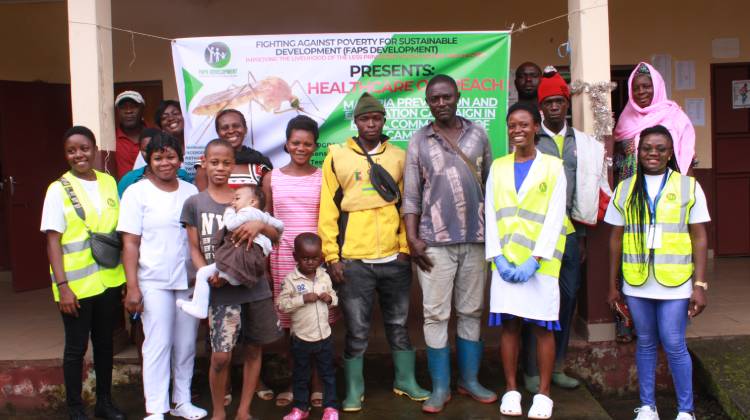
Malaria Prevention Campaign: Making a Difference in Tiko I am proud to share that the FAPS Development Organization recently conducted a transformative malaria prevention campaign in Tiko, positively impacting the lives of 100 underprivileged women, youth, and men in our community. Through this initiative, we provided: Free malaria consultation, Essential medications, Mosquito nets to protect against malaria transmission The joy and gratitude expressed by our beneficiaries were truly heartwarming. This campaign not only aimed to reduce malaria infections but also to empower individuals with knowledge and resources for better health. Together, we can combat malaria and uplift our communities. Thank you to all our dedicated volunteers and partners for making this possible! GENERAL INFORMATION ABOUT US Our Roots We focus on empowering individuals through initiatives that foster self-reliance and sustainable development, believing in the philosophy of teaching individuals to fish rather than simply providing them with fish. Vision We aspire to reduce poverty across communities in Cameroon and Africa through promoting social and economic activities that drive growth and sustainability. Mission Our mission is to implement impactful programs that improve the livelihoods of vulnerable populations, particularly youth, women, and children.

The Synergy Between Vocational Training and Sporting Activities
The Synergy Between Vocational Training and Sporting Activities In today’s rapidly changing job market, vocational training has emerged as a vital pathway for individuals seeking to acquire practical skills for specific careers. However, the benefits of vocational training extend beyond traditional education and into diverse fields, including sports. Integrating vocational training with sporting activities can create unique opportunities for personal development, career advancement, and community engagement. Understanding Vocational TrainingVocational training, or vocational education and training (VET), prepares individuals for specific careers by providing hands-on skills and practical knowledge applicable to various industries. Unlike traditional academic routes, vocational training focuses on equipping students with the competencies needed to enter the workforce quickly. Programs can range from technical skills in fields like plumbing and electrical work to services such as healthcare and culinary arts. Key Features of Vocational TrainingPractical Skills Development: Vocational training emphasizes experiential learning, allowing students to engage directly in real-world scenarios. This hands-on approach ensures they are job-ready upon completion.Industry-Relevant Education: Programs are tailored to align with the specific needs of industries, ensuring that the curriculum meets current job market demands.Diverse Career Paths: Vocational training encompasses a wide range of career options, including skilled trades, healthcare, and information technology, catering to various interests and talents.The Role of Sporting ActivitiesSporting activities play a significant role in personal and social development. They promote teamwork, discipline, and physical fitness, while also providing avenues for stress relief and social interaction. Engaging in sports can enhance an individual’s life skills, which are essential in both personal and professional contexts. Benefits of Sporting ActivitiesPhysical Health: Regular participation in sports contributes to overall physical health, reducing the risk of chronic diseases and improving mental well-being.Life Skills Development: Sports teach valuable life skills such as leadership, communication, and teamwork. These skills are transferable to the workplace, making individuals more competitive job candidates.Community Building: Sports foster a sense of community and belonging. They bring individuals together, promoting collaboration and camaraderie, which can extend into the workplace.The Intersection of Vocational Training and SportsCombining vocational training with sporting activities can yield numerous benefits, creating a holistic approach to personal and professional development. Here are some ways in which these two fields intersect: Skill DevelopmentVocational training programs can incorporate sports-related skills, such as coaching, sports management, and athletic training. Students interested in sports can gain qualifications that prepare them for careers in fields like sports science, physical education, and fitness training. Career OpportunitiesThe sports industry offers a range of vocational career paths, including roles in coaching, sports administration, event management, and sports marketing. By providing vocational training in these areas, individuals can pursue fulfilling careers while merging their passion for sports with their professional aspirations. Enhanced EmployabilityEngaging in sports can enhance an individual’s employability by showcasing their ability to work in teams, manage time effectively, and maintain a disciplined lifestyle. These attributes are highly valued by employers in various industries, including those outside of sports. Community EngagementVocational training programs that incorporate sports can strengthen community ties. Initiatives that offer vocational skills training through sports can attract youth and marginalized individuals, providing them with opportunities to develop skills while promoting physical activity and teamwork. Health and Well-BeingCombining vocational training with sports can also improve health outcomes. Individuals who engage in regular physical activity are more likely to experience improved mental health and increased productivity, which can enhance their performance in vocational training programs. Supporting InitiativesAt FAPS Development, we recognize the importance of integrating vocational training with sporting activities. Our programs aim to empower individuals by providing them with both the practical skills needed for employment and the life skills learned through sports. By fostering a holistic approach, we are committed to helping individuals build brighter futures. How You Can HelpSupporting initiatives that combine vocational training and sports can make a significant difference in communities. You can contribute by: Volunteering: Get involved with local programs that offer vocational training and sports activities.Donating: Financial contributions can help fund training programs and sports initiatives for underserved communities.Spreading Awareness: Share information about the benefits of vocational training and sports to encourage participation and support. ConclusionThe synergy between vocational training and sporting activities offers a unique approach to personal and professional development. By integrating these two fields, individuals can gain valuable skills, explore diverse career opportunities, and foster community connections. At FAPS Development, we are dedicated to empowering individuals through our programs, and we invite you to join us in making a positive impact in the lives of those we serve. Together, we can create a brighter future for all. GENERAL INFORMATION ABOUT US Our Roots We focus on empowering individuals through initiatives that foster self-reliance and sustainable development, believing in the philosophy of teaching individuals to fish rather than simply providing them with fish. Vision We aspire to reduce poverty across communities in Cameroon and Africa through promoting social and economic activities that drive growth and sustainability. Mission Our mission is to implement impactful programs that improve the livelihoods of vulnerable populations, particularly youth, women, and children.

The Importance of Environmental Protection and Preservation
The Importance of Environmental Protection and Preservation In an age where environmental challenges are becoming increasingly urgent, the need for effective environmental protection and preservation has never been more critical. From climate change to deforestation, pollution to biodiversity loss, our planet faces numerous threats that require immediate action. Understanding the importance of environmental protection and preservation is essential for ensuring a sustainable future for generations to come. What is Environmental Protection?Environmental protection refers to the measures taken to safeguard the natural environment against degradation and harm. This includes efforts to mitigate pollution, conserve resources, and protect ecosystems and wildlife. The ultimate goal is to create a balance between human needs and the health of the planet, ensuring that natural resources are available for future generations. Why is Environmental Protection Important?Preservation of Biodiversity: Biodiversity is vital for maintaining healthy ecosystems. Every species, no matter how small, plays a role in the balance of nature. Protecting the environment helps preserve the habitats of countless species, ensuring that ecosystems remain resilient and functional.Combatting Climate Change: Climate change is one of the most pressing issues of our time. Environmental protection initiatives, such as reducing greenhouse gas emissions and promoting renewable energy, are crucial in combatting climate change. By transitioning to sustainable practices, we can reduce our carbon footprint and mitigate the impacts of global warming.Public Health: Pollution is a significant threat to public health. Contaminated air, water, and soil can lead to a range of health issues, from respiratory diseases to cancer. Environmental protection efforts aim to reduce pollution levels, ensuring healthier communities and improved quality of life.Sustainable Resource Management: Our natural resources are finite, and unsustainable practices can lead to depletion. Environmental protection focuses on sustainable resource management, promoting the responsible use of resources such as water, minerals, and forests. This ensures that future generations can also benefit from these vital resources.Economic Benefits: Investing in environmental protection can lead to economic growth. Sustainable practices can create jobs, boost local economies, and reduce costs associated with pollution and resource depletion. For example, the renewable energy sector has seen significant job growth in recent years as more communities shift towards sustainable energy sources.What is Environmental Preservation?Environmental preservation goes a step further than protection; it involves safeguarding natural resources and ecosystems in their untouched state. This means maintaining areas in their natural condition, without human intervention. Preservation is often focused on protecting specific habitats, endangered species, and areas of ecological significance. Why is Environmental Preservation Important?Cultural and Historical Significance: Many natural areas hold cultural and historical significance for indigenous communities and local populations. Preserving these areas ensures that cultural heritage is respected and maintained.Ecosystem Services: Healthy ecosystems provide invaluable services, such as clean air and water, climate regulation, and pollination of crops. By preserving these ecosystems, we ensure that these services continue to benefit humanity.Scientific Research: Preserved natural environments serve as living laboratories for scientific research. Studying these areas helps us understand ecological processes, species interactions, and the impacts of climate change, providing valuable insights for conservation efforts.Recreation and Tourism: Natural areas attract millions of visitors each year for recreational activities like hiking, birdwatching, and eco-tourism. Preservation efforts contribute to the economy by supporting tourism and providing outdoor experiences for people to connect with nature.How Can We Contribute to Environmental Protection and Preservation?Reduce, Reuse, Recycle: Minimize waste by adopting the three Rs. Reduce your consumption, reuse items whenever possible, and recycle materials to decrease landfill waste.Support Sustainable Practices: Choose products from companies that prioritize sustainable practices. Support local and organic farmers, and consider reducing your meat consumption to lower your carbon footprint.Conserve Water and Energy: Simple actions, such as fixing leaks, using energy-efficient appliances, and turning off lights when not in use, can significantly reduce your environmental impact.Get Involved: Join local environmental groups or volunteer for conservation projects. Participation in initiatives such as tree planting, clean-up drives, or advocacy efforts can make a positive difference in your community.Educate Others: Share your knowledge about environmental issues with friends and family. Raising awareness can inspire others to take action and contribute to a collective effort toward protection and preservation. ConclusionEnvironmental protection and preservation are vital for maintaining the health of our planet and ensuring a sustainable future. By understanding the importance of these efforts and taking proactive steps in our daily lives, we can contribute to a healthier environment. Together, we can protect our natural resources, preserve biodiversity, and create a world where both nature and humanity can thrive. At FAPS Development, we are committed to promoting environmental sustainability and empowering communities to take action for a better future. Join us in our mission to protect and preserve the planet for generations to come. GENERAL INFORMATION ABOUT US Our Roots We focus on empowering individuals through initiatives that foster self-reliance and sustainable development, believing in the philosophy of teaching individuals to fish rather than simply providing them with fish. Vision We aspire to reduce poverty across communities in Cameroon and Africa through promoting social and economic activities that drive growth and sustainability. Mission Our mission is to implement impactful programs that improve the livelihoods of vulnerable populations, particularly youth, women, and children.
Environmental Protection Against Plastic Littering
Environmental Protection Against Plastic Littering Plastic pollution is one of the most pressing environmental issues we face today. As a non-biodegradable material, plastics can take up to 500 years to decompose in the soil, breaking down into harmful fragments that persist in our ecosystems. This long lifespan poses significant threats to both human health and the environment. The Dangers of Plastic PollutionWhen plastics degrade, they release toxic chemicals into the soil and waterways, adversely affecting wildlife and humans alike. These toxins can accumulate in the food chain, leading to long-term health issues for animals and those who consume them. The impact on our ecosystems is profound, as plastic litter disrupts habitats, endangers marine life, and contributes to climate change. The Urgent Need for ActionGiven the severity of the situation, it is crucial that we take immediate steps to combat plastic littering in our communities. At FAPS Development, we believe that collective action is necessary to create a cleaner, healthier world. By raising awareness and implementing community-driven initiatives, we can reduce plastic waste and promote sustainable practices. Join Us in the Fight Against Plastic LitteringWe invite you to join FAPS Development in our efforts to protect the environment from the dangers of plastic pollution. Here are a few ways you can get involved: Participate in Clean-Up Drives: Join our community clean-up events where we physically remove plastic waste from public spaces.Educate Others: Share information about the dangers of plastic pollution and sustainable alternatives to plastics within your community.Advocate for Change: Support local policies aimed at reducing plastic use and promoting recycling initiatives.Reduce Your Plastic Usage: Make conscious choices in your daily life to minimize plastic consumption, such as using reusable bags, bottles, and containers. ConclusionThe fight against plastic littering requires all of us to take action. By joining forces with FAPS Development, you can play a vital role in protecting our environment and ensuring a healthier future for generations to come. Together, we can make a difference and create communities that are free from the harmful effects of plastic pollution. Let’s act now for a cleaner, greener world! GENERAL INFORMATION ABOUT US Our Roots We focus on empowering individuals through initiatives that foster self-reliance and sustainable development, believing in the philosophy of teaching individuals to fish rather than simply providing them with fish. Vision We aspire to reduce poverty across communities in Cameroon and Africa through promoting social and economic activities that drive growth and sustainability. Mission Our mission is to implement impactful programs that improve the livelihoods of vulnerable populations, particularly youth, women, and children.
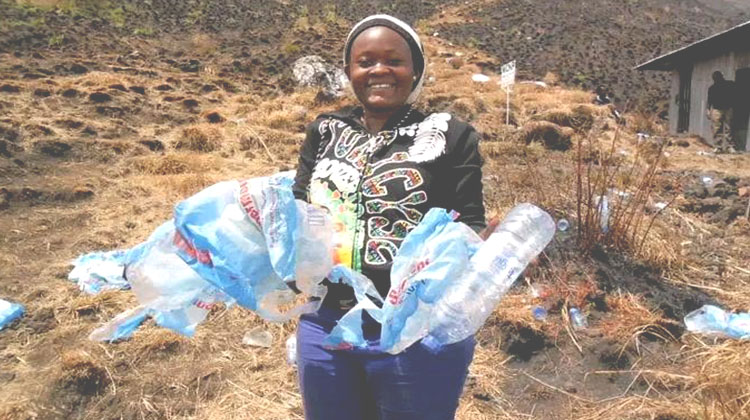
Environmental Protection Against Plastic Littering: Alleviating Poverty, A Shared Responsibility for a Better World
Environmental Protection Against Plastic Littering: Alleviating Poverty, A Shared Responsibility for a Better World Poverty is a persistent and pervasive issue that affects millions of people around the world, depriving them of basic necessities and opportunities for a better life. Alleviating poverty is not only a moral imperative but also a practical necessity for achieving social stability and economic progress. While the task of eradicating poverty may seem daunting, it’s a goal well within our reach when approached with commitment, collaboration, and effective strategies. In this article, we will explore the importance of alleviating poverty and discuss the interconnected role of environmental protection, particularly against plastic littering, in addressing this pressing global challenge. Understanding PovertyPoverty is more than just a lack of financial resources; it encompasses a multifaceted set of circumstances that hinder individuals and communities from fulfilling their potential. It can manifest in various forms, including: Income poverty: Insufficient income to meet basic living expenses.Food insecurity: Lack of reliable access to sufficient, safe, and nutritious food.Inadequate housing: Living in unsafe or overcrowded conditions.Limited access to quality education and healthcare: Barriers to essential services that can improve life prospects.Limited economic opportunities: Insufficient job availability or skills training.The Impacts of PovertyHealth DisparitiesPoverty is closely linked to poor health outcomes. Individuals living in poverty often lack access to quality healthcare, nutritious food, and safe living conditions. This leads to higher rates of illness, shorter life expectancies, and increased vulnerability to diseases. The toxic effects of plastic pollution further exacerbate these health disparities, as contaminated environments contribute to a range of health issues. Limited EducationPoverty can trap individuals in a cycle of limited education and low skills, reducing their employability and income-earning potential. Without access to education, the next generation may find themselves repeating the cycle of poverty, often unaware of the environmental impacts of their actions, including plastic use. Economic InequalityPoverty contributes to widening income inequality. The poorest individuals struggle to access economic opportunities, making it difficult to accumulate wealth. As communities grapple with plastic waste, their economic potential diminishes further, leading to stagnation and despair. Social UnrestHigh levels of poverty can lead to social instability and unrest. Individuals who feel marginalized may resort to extreme measures to voice their grievances, compounding the challenges of environmental degradation and poverty. Approaches to Alleviating PovertyEconomic EmpowermentCreating jobs, promoting entrepreneurship, and improving access to credit are essential for empowering individuals to generate income. By fostering sustainable business practices and reducing reliance on plastics, communities can thrive economically while protecting the environment. Education and Skills DevelopmentInvesting in quality education and skills training equips individuals with the tools to secure better job opportunities. Environmental education can also raise awareness about the impact of plastic pollution, encouraging responsible consumption and waste management practices. Social Safety NetsImplementing social safety nets, such as unemployment benefits and food assistance programs, is crucial for those experiencing financial hardship. These programs can help individuals focus on long-term solutions, including environmental sustainability. Access to HealthcareEnsuring affordable and accessible healthcare services is essential for preventing and treating illnesses that disproportionately affect those living in poverty. Addressing health issues related to environmental factors, including plastic waste, is a vital step in this process. Infrastructure DevelopmentInvestment in infrastructure, including clean water, sanitation, and transportation, can improve living conditions and enhance economic opportunities in impoverished areas. Clean environments contribute to better health outcomes and economic growth. Microfinance and MicrocreditThese financial tools provide small loans to individuals, particularly in developing countries, enabling them to start or expand small businesses. Encouraging sustainable practices in these businesses can further reduce plastic use. Gender EqualityEmpowering women through education, employment, and financial independence can significantly reduce poverty. Women often face higher rates of poverty and are more vulnerable to its effects, making their empowerment critical for community resilience. Community DevelopmentEncouraging community-led development projects that address local challenges can foster self-reliance and boost living standards. Community clean-up initiatives targeting plastic littering can serve as a platform for broader discussions on sustainability and poverty alleviation. International CooperationAlleviating poverty is a global challenge that requires international collaboration. Developed countries can support poverty reduction efforts in developing nations through foreign aid, debt relief, and fair trade practices. International organizations, such as the United Nations and World Bank, play pivotal roles in coordinating these efforts. Join Us in Making a DifferenceAt FAPS Development, we invite you to support our initiatives aimed at alleviating poverty and protecting the environment. Your generous donations will empower communities, provide essential resources, and create sustainable opportunities for those in need. Together, we can combat the root causes of poverty and plastic pollution. By donating, you are investing in education, healthcare, and entrepreneurship programs that can change lives. Every contribution, no matter how small, can make a significant impact. Let us work towards a world where everyone has access to the resources and opportunities needed to thrive. Your support is a valuable investment in the fight against poverty, bringing hope, dignity, and a chance for a better life to those who need it the most. Together, we can create a better world for all. GENERAL INFORMATION ABOUT US Our Roots We focus on empowering individuals through initiatives that foster self-reliance and sustainable development, believing in the philosophy of teaching individuals to fish rather than simply providing them with fish. Vision We aspire to reduce poverty across communities in Cameroon and Africa through promoting social and economic activities that drive growth and sustainability. Mission Our mission is to implement impactful programs that improve the livelihoods of vulnerable populations, particularly youth, women, and children.
Domestic Violence: Understanding, Recognizing, and Combating Abuse
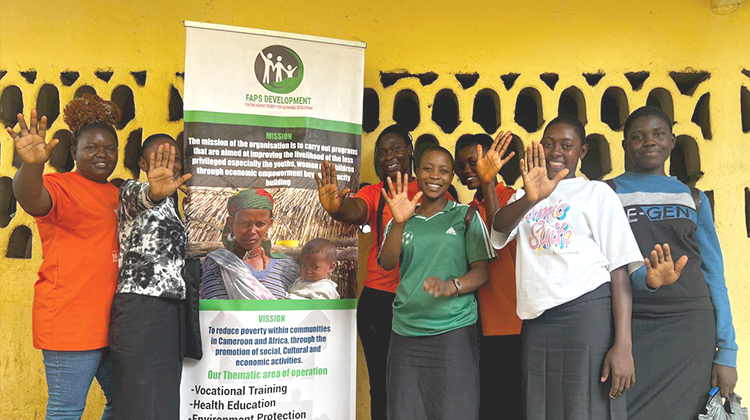
Domestic Violence: Understanding, Recognizing, and Combating Abuse Domestic violence, often referred to as “domestic abuse” or “intimate violence,” is a pervasive issue that affects individuals across all demographics. It can be described as a consistent pattern of behavior within any relationship aimed at gaining or retaining power and control over an intimate partner. Understanding the dynamics of domestic violence is crucial for recognizing its signs and taking action against it. What is Domestic Violence?Domestic violence encompasses a range of abusive behaviors, including physical, sexual, emotional, economic, or psychological actions or threats that manipulate another person. Such actions are designed to instill fear, intimidation, and control, leading to emotional distress and harm. Importantly, domestic violence can occur in various relationships, including married couples, cohabiting partners, and those in dating relationships. Who Can be Affected?Domestic violence transcends race, age, sexual orientation, religion, and gender. It occurs in all socioeconomic backgrounds and educational levels. Victims can include not just intimate partners but also children and other family members residing in the same household. The impact of domestic abuse is far-reaching, affecting entire families and communities. Recognizing the Signs of Domestic AbuseIdentifying domestic violence can be challenging, especially for those who may not recognize the signs in their own relationships. Here are some questions to consider that may help evaluate whether you or someone you know is experiencing abuse: Does your partner…Ridicule or mock you in front of friends or family?Undermine your accomplishments or belittle your efforts?Make you feel incapable of making decisions?Use intimidation or threats to secure compliance?Claim that you are nothing without them?Physically harm you through grabbing, pushing, or hitting?Call you repeatedly during the day or check up on your whereabouts?Use drugs or alcohol as an excuse for hurtful words or actions?Blame you for their emotions or behavior?Pressure you into sexual acts you’re not ready for?Make you feel trapped in the relationship, with no way out?Prevent you from pursuing your interests, such as spending time with friends or family?Restrain you after a fight or abandon you in an unfamiliar place to “teach you a lesson”?If you answered “yes” to any of these questions, it may indicate that you or someone you know is experiencing domestic violence. Recognizing these signs is the first step toward seeking help and breaking the cycle of abuse. The Cycle of AbuseDomestic abuse typically manifests as a recurring pattern of abusive behavior directed towards an intimate partner, with the aim of the abuser asserting dominance and control. This cycle often escalates in both frequency and severity over time, leading to severe physical injury or even death in extreme cases. The emotional and psychological toll on victims can be profound, leading to long-term mental health issues, including anxiety, depression, and post-traumatic stress disorder (PTSD). How to Seek HelpIf you or someone you know is experiencing domestic violence, it is crucial to seek help. Here are some steps to consider: Reach Out for Support: Talk to someone you trust, whether it’s a friend, family member, or professional. Sharing your experience can provide emotional relief and help you gain perspective.Contact a Local Helpline: Many organizations offer confidential support and resources for those experiencing domestic violence. They can provide guidance on legal options, safety planning, and counseling services.Create a Safety Plan: If you are in immediate danger, developing a safety plan is critical. Identify safe places to go, gather important documents, and establish a code word with friends or family to signal for help.Document the Abuse: Keeping records of abusive incidents can be helpful if you decide to seek legal action or support from authorities.Consider Professional Counseling: Therapy can provide a safe space to process your experiences and develop coping strategies. Join Us in the Fight Against Domestic ViolenceAt FAPS Development, we are committed to fighting against domestic violence and other forms of violence. We believe that everyone deserves to live free from fear and harm. By raising awareness, providing resources, and supporting victims, we can create a safer, more equitable society. You can assist us in our mission by spreading awareness, supporting our initiatives, or donating to help fund programs that provide vital resources for victims of domestic violence. Together, we can make a significant impact in the lives of those affected by abuse, fostering a world where love, respect, and safety prevail. Let’s work together to combat domestic violence and create a brighter future for all. Your support can make a difference in the lives of those who need it most. GENERAL INFORMATION ABOUT US Our Roots We focus on empowering individuals through initiatives that foster self-reliance and sustainable development, believing in the philosophy of teaching individuals to fish rather than simply providing them with fish. Vision We aspire to reduce poverty across communities in Cameroon and Africa through promoting social and economic activities that drive growth and sustainability. Mission Our mission is to implement impactful programs that improve the livelihoods of vulnerable populations, particularly youth, women, and children.
Everything You Need to Know About Vocational Training
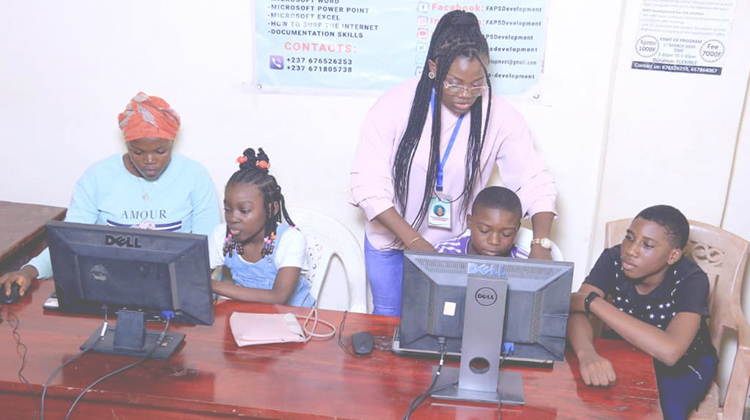
Everything You Need to Know About Vocational Training In today’s rapidly evolving job market, vocational training, also known as vocational education and training (VET), plays a crucial role in preparing individuals for specific careers across various industries. This form of education focuses on practical skill development, ensuring that graduates are ready to meet the demands of the workforce. What is Vocational Training?Vocational training is designed to equip individuals with the hands-on skills and knowledge necessary for particular jobs or trades. Unlike traditional academic education, which often emphasizes theoretical knowledge, vocational training prioritizes practical application in real-world scenarios. The primary goal is to prepare students for immediate employment in their chosen field, making it an attractive option for many. Key Features of Vocational Training Practical Skills TrainingOne of the hallmark features of vocational training is its emphasis on practical skills development. This includes hands-on training in real or simulated workplace settings, enabling students to gain the necessary competencies to perform specific job tasks effectively. This focus on practical skills helps students transition smoothly from training to employment. Industry-Relevant EducationVocational training programs are tailored to align with the specific needs of industries or sectors. The curriculum is designed to provide the skills and knowledge required for particular jobs, ensuring that graduates are well-prepared to enter the workforce. Many vocational programs lead to diplomas or certificates, allowing students to secure employment more quickly than traditional degree programs. Diverse Career PathsVocational training covers a wide range of career options, making it suitable for individuals with varied interests. It includes trades such as carpentry, plumbing, and electrical work, as well as fields like healthcare, culinary arts, and information technology. This diversity allows students to choose a career path that aligns with their passions and abilities. Types of Vocational TrainingThere are several forms of vocational training, each catering to different learning styles and career goals: ApprenticeshipsApprenticeships combine on-the-job training with classroom instruction. Individuals work under the supervision of experienced professionals and gain hands-on experience while learning theoretical concepts. This method often leads to certification in a trade or occupation. Technical SchoolsTechnical schools offer specialized programs in various vocational fields, providing both theoretical and hands-on training. Upon completion, students typically earn a diploma or certificate, making them job-ready. Community CollegesMany community colleges offer vocational programs alongside traditional academic courses. Students can earn an Associate’s degree or certificates in fields like nursing, automotive technology, or computer programming. Trade SchoolsTrade schools focus exclusively on vocational education, offering programs in areas like cosmetology, HVAC (Heating, Ventilation, and Air Conditioning), and welding. These institutions provide a direct path to employment in skilled trades. On-the-Job TrainingSome individuals enter the workforce directly and receive training from their employers. This approach allows them to develop skills while gaining practical experience in their roles. Online Vocational TrainingWith the rise of online education, many vocational programs are now available remotely. These online courses often include video tutorials and interactive exercises, allowing students to learn at their own pace. Certification ProgramsIn some professions, individuals can pursue certification programs that validate their expertise in specific areas. Certifications in information technology (e.g., CompTIA A+), healthcare (e.g., Certified Nursing Assistant), or project management (e.g., PMP) are examples of this. The Value of Vocational EducationVocational training is a valuable educational pathway for individuals who want to enter the workforce quickly and are interested in specific, hands-on careers. It can lead to fulfilling and well-paying jobs across various industries, making it an excellent choice for those seeking practical skills and career opportunities. At FAPS Development, we are committed to empowering marginalized communities through vocational training initiatives. Our project, Tech for Future Impact (TFFI), focuses on training women and youth in Information and Communication Technology (ICT). By equipping them with essential digital skills, we aim to enhance their employability and foster economic independence. Supporting Vocational Training in CameroonFAPS Development is dedicated to training indigent people in Cameroon to acquire skills that enable them to earn a living rather than remain dependent. Your support can make a significant difference in the lives of those who seek to improve their circumstances through vocational education. Together, we can empower individuals and help them build a brighter future. Whether you are considering vocational training for yourself or looking to support others, understanding the importance of this educational pathway can lead to meaningful change in communities. Investing in vocational training is investing in a better future for all. GENERAL INFORMATION ABOUT US Our Roots We focus on empowering individuals through initiatives that foster self-reliance and sustainable development, believing in the philosophy of teaching individuals to fish rather than simply providing them with fish. Vision We aspire to reduce poverty across communities in Cameroon and Africa through promoting social and economic activities that drive growth and sustainability. Mission Our mission is to implement impactful programs that improve the livelihoods of vulnerable populations, particularly youth, women, and children.
Everything You Need to Know About Vocational Training
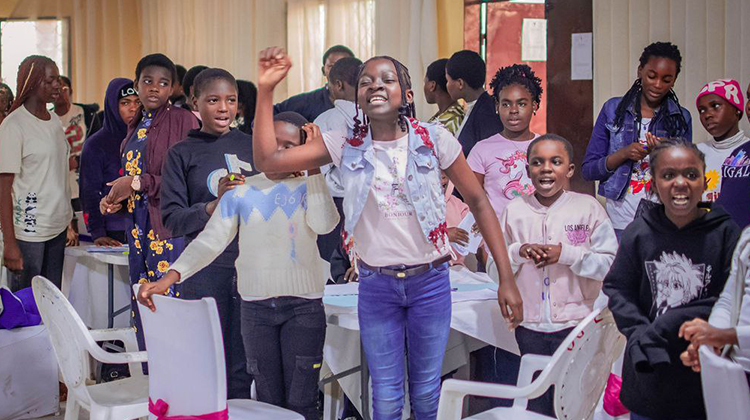
In today’s rapidly evolving job market, vocational training, also known as vocational education and training (VET), plays a crucial role in preparing individuals for specific careers across various industries. This form of education focuses on practical skill development, ensuring that graduates are ready to meet the demands of the workforce. What is Vocational Training?Vocational training is designed to equip individuals with the hands-on skills and knowledge necessary for particular jobs or trades. Unlike traditional academic education, which often emphasizes theoretical knowledge, vocational training prioritizes practical application in real-world scenarios. The primary goal is to prepare students for immediate employment in their chosen field, making it an attractive option for many. Key Features of Vocational Training Types of Vocational TrainingThere are several forms of vocational training, each catering to different learning styles and career goals: The Value of Vocational EducationVocational training is a valuable educational pathway for individuals who want to enter the workforce quickly and are interested in specific, hands-on careers. It can lead to fulfilling and well-paying jobs across various industries, making it an excellent choice for those seeking practical skills and career opportunities. At FAPS Development, we are committed to empowering marginalized communities through vocational training initiatives. Our project, Tech for Future Impact (TFFI), focuses on training women and youth in Information and Communication Technology (ICT). By equipping them with essential digital skills, we aim to enhance their employability and foster economic independence. Supporting Vocational Training in CameroonFAPS Development is dedicated to training indigent people in Cameroon to acquire skills that enable them to earn a living rather than remain dependent. Your support can make a significant difference in the lives of those who seek to improve their circumstances through vocational education. Together, we can empower individuals and help them build a brighter future. Whether you are considering vocational training for yourself or looking to support others, understanding the importance of this educational pathway can lead to meaningful change in communities. Investing in vocational training is investing in a better future for all.